

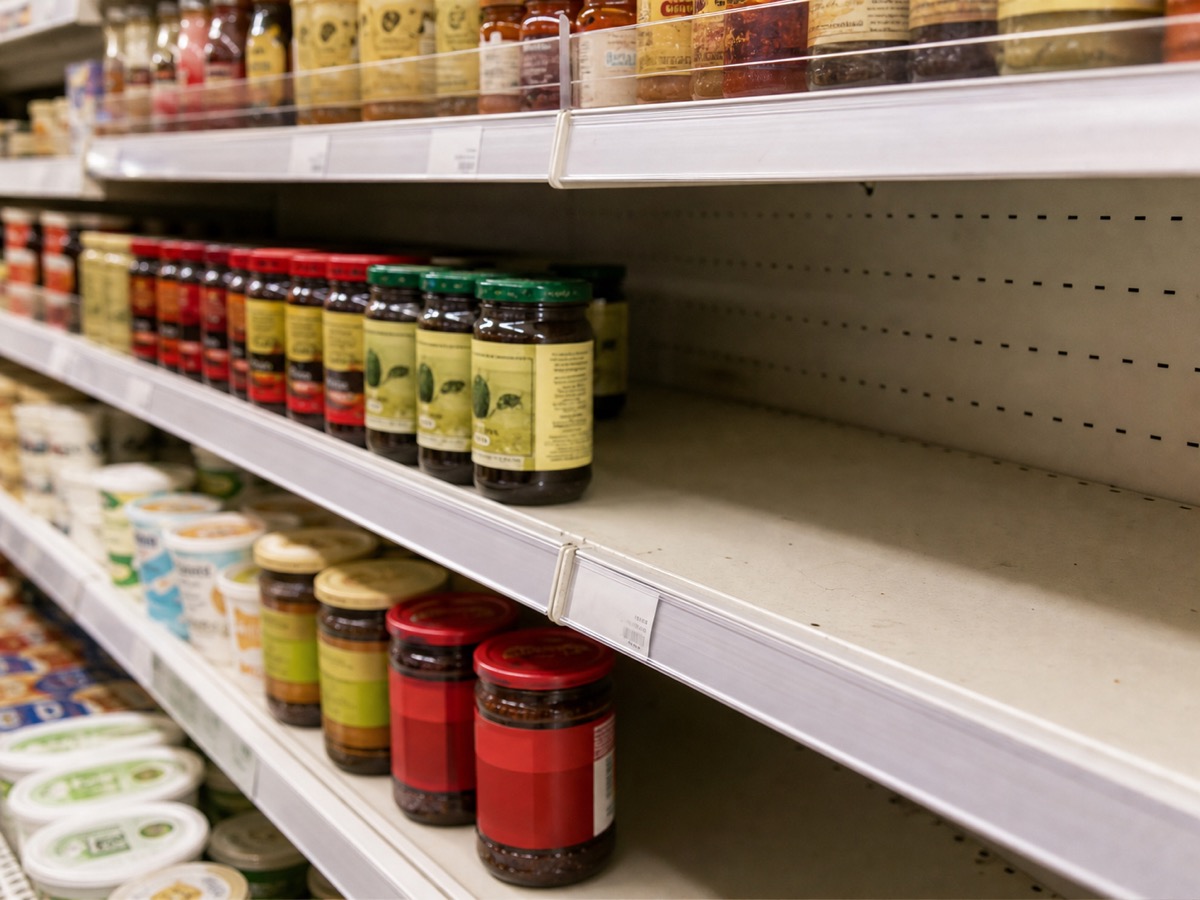
Empty shelves, but only the small ones
For about ten days at the end of January and into February, Low Salt Marmite vanished from the shelves of several UK supermarkets, and the larger 500g classic jar went with it. The standard 250g jar stayed put, which is what stopped this turning into a national meltdown, but the partial gap was enough to generate confused Twitter posts, mild tabloid coverage, and an updated note on Marmite’s own FAQ page acknowledging “temporary delays”.
This was not a 2022 New Zealand-style crisis. Nobody was rationing toast. The shortage was specific, narrow, and over within a fortnight. But it is worth a quick note, because it touches on something that is going to come up again.
What caused it
The official line is “temporary supply chain delays”, which is the corporate sentence that means “we know what caused it and we are not going to tell you in case it happens again next quarter”. The unofficial reading, from people who follow food supply chains for a living, is that Low Salt Marmite uses a slightly different production process, the Burton plant runs it on a shorter cycle, and a single equipment issue on that cycle can knock out two or three weeks of supply with no slack to absorb the gap.
The 500g jar is similar. It runs less often than the standard 250g jar, so a small interruption to the larger format has an outsized visible effect. Both products came back to shelves by mid-February, and supply has been steady since.
Why it matters slightly more than the duration suggests
Two reasons.
First, the McCormick deal closes in mid-2027. Between now and then, every small operational hiccup at Burton is going to be read, by union officials and the local press, as a possible signal of bigger changes coming. This particular hiccup is genuinely unconnected to the deal, but the timing is unfortunate.
Second, Low Salt Marmite is small in the line-up but it is the version that has been quietly gaining customers. The salt-conscious audience, which has been told by the NHS for two decades to cut sodium intake, is exactly the audience the brand needs as classic-toast eaters age out. Running out of the product that serves them is, even briefly, a bad signal.
The brand has acknowledged the gap and apologised. The supply is back. Nobody panicked. Everything is, in the technical sense, fine.
A note for the worriers
If you have read this far and started thinking about stockpiling Marmite, please do not. The shortage is over. The 250g classic jar was not affected. Marmite has been continuously produced in Burton-on-Trent since 1902 through two world wars, a brewery downturn, a Brexit pricing row, and twenty-six years of Unilever ownership. A ten-day Low Salt blip is not the apocalypse.
If you want to do something useful with this story, write to your MP about workforce commitments for the McCormick deal. That is the actually-load-bearing supply story. Empty shelves last week were a sideshow.